

Becoming a U.S. citizen ends with a short ceremony and an oath that takes only a few minutes to recite, but almost every applicant will tell you the road leading up to that moment is anything but short. A citizenship attorney near Huntington, NY, spends most of their time helping applicants get through the parts that aren’t obvious from the outside: the eligibility requirements, the paperwork, the test, and the interview that determines whether years of residency finally convert into citizenship.
This guide breaks down who qualifies, what the N-400 application actually involves, how the civics and English requirements work, what happens when a criminal record is part of the picture, and what changes once the oath is taken.
Who Can Apply for Naturalization
Most green card holders become eligible to apply for citizenship after five years of continuous residence in the United States, or three years if they’re married to and living with a U.S. citizen. Continuous residence isn’t the same as physical presence, though the two get confused constantly. Continuous residence means not abandoning U.S. residency, while physical presence counts the actual days spent inside the country, which must add up to at least half of the required residency period.
Extended trips abroad can interrupt continuous residence even if an applicant never intended to give up their green card. A trip of six months or longer creates a presumption that residence was broken, and a trip of a year or longer generally does break it outright, absent specific exceptions. Applicants planning international travel while nearing their eligibility date should factor this in before booking anything.
Good moral character is the other core requirement, and it’s judged over the years immediately preceding the application, not someone’s entire life. USCIS looks at criminal history, tax compliance, child support obligations, and honesty on prior immigration filings, among other factors.
A small number of applicants qualify for expedited or modified naturalization paths outside the standard five-year and three-year rules. Certain members of the U.S. armed forces, for example, can naturalize with no prior period of permanent residence at all if they served during a designated period of hostilities, and spouses of service members stationed abroad have their own set of accommodations. These exceptions apply to a relatively small group of people, but for those who qualify, they can shorten the timeline considerably.
The N-400 Application, Step by Step
Filing Form N-400 starts with gathering evidence: proof of continuous residence, tax records, marriage or divorce documents if applicable, and, for some applicants, evidence tied to Selective Service registration. USCIS also collects biometrics, fingerprints, and a photo, as part of the background check process.
Processing times vary by field office, and Long Island applicants filing through the New York area have seen their own share of fluctuation depending on USCIS staffing and case volume. The most common errors that slow a case down are inconsistencies between the N-400 and earlier immigration filings, incomplete travel history, and missing documentation for name changes or prior addresses. A careful first filing avoids most of the delays that come from USCIS follow-up requests.
The Civics Test and Interview
Every applicant who doesn’t qualify for an exemption sits for an English and civics test as part of their naturalization interview. USCIS updated the civics test format in late 2025, and the exact number of questions asked and the passing threshold have changed as a result, so applicants should confirm the current requirements directly through USCIS’s official study materials rather than relying on older guides.
Some applicants qualify for exemptions or accommodations. Longtime permanent residents over a certain age can study a shorter list of civics questions, and applicants with a documented medical disability may qualify for a full waiver of the English and civics requirements. These exemptions have specific documentation requirements, so it’s worth confirming eligibility well before the interview date rather than after.
The interview itself covers more than the test. A USCIS officer reviews the entire N-400 application line by line, asks about anything that seems inconsistent, and confirms the applicant’s answers under oath. Walking in prepared for that part of the conversation matters as much as knowing the civics answers.
Common Reasons Applications Get Delayed or Denied
Beyond paperwork errors, a handful of substantive issues account for most naturalization denials. Falling behind on child support payments, owing significant unpaid taxes without a payment plan in place, or failing to register with Selective Service when required can all raise good moral character concerns, even when the applicant has an otherwise clean record. USCIS also reviews an applicant’s entire immigration history during the N-400 process, which means old inconsistencies from a green card application or an earlier visa filing can resurface years later.
Voting in a U.S. election before becoming a citizen is another issue that comes up more often than people expect, sometimes because an applicant was mistakenly registered while renewing a driver’s license. Even an unintentional instance of unlawful voting can create serious complications for a pending citizenship case, so it’s worth double-checking voter registration status before filing.
When a Criminal Record Complicates Things
A past arrest or conviction doesn’t automatically end someone’s path to citizenship, but it changes how carefully the case needs to move. Certain convictions, particularly those involving moral turpitude, drugs, or violence, can trigger a finding that someone lacks good moral character, and in more serious cases can make someone removable from the United States entirely, turning a citizenship application into a much bigger legal problem that may require criminal defense support alongside the immigration case.
Timing matters enormously here. Filing too early, before enough time has passed since an offense, or filing without understanding how a specific conviction is treated under immigration law, can turn a manageable situation into a denial that draws unwanted attention to someone’s case. A legal review before submission, one that looks specifically at how immigration law treats the offense in question rather than how the criminal court treated it, is the safest way to move forward.
Life After You’re a Citizen
Citizenship changes more than a person’s paperwork. New citizens gain the right to vote, can obtain a U.S. passport, and can sponsor a wider range of family members for their own green cards, including siblings and married children, categories that aren’t available to green card holders. Naturalized citizens also can’t be deported, a protection that green card holders don’t have regardless of how long they’ve lived in the country.
Dual citizenship is allowed under U.S. law, though whether someone can keep their citizenship of origin depends on that country’s own laws, not U.S. law. It’s worth checking both sides before assuming dual status is automatic.
Conclusion
Naturalization rewards patience and precision in roughly equal measure. Applicants who understand the residency rules, prepare thoroughly for the test and interview, and get ahead of any complications tied to a criminal record tend to move through the process with far fewer surprises. A citizenship attorney near Huntington, NY, helps applicants avoid the kind of avoidable denial that sets someone back months or years, and helps them walk into that interview room with real confidence instead of guesswork.
How The Law Office of Cristea & Tatti Can Help
The Law Office of Cristea & Tatti has guided naturalization applicants across Huntington and greater Long Island through every stage of the N-400 process, from eligibility review through interview preparation, including cases where a prior criminal record required careful legal strategy, and cases that needed to be taken through court representation and appeals after a denial. The firm offers free consultations, competitive flat fees, and services in English, Spanish, and more than 10 other languages through interpreters. If you’re ready to apply for citizenship or want a record reviewed before you file, reach out for a free consultation.
Frequently Asked Questions
How long do I need to be a green card holder before applying for citizenship?
Most applicants need five years of continuous residence, or three years if married to and living with a U.S. citizen. Physical presence and good moral character requirements apply on top of that residency period.
Will a DUI or misdemeanor stop my naturalization application?
Not necessarily, but it depends on the specific offense and when it occurred relative to your application. Some convictions raise red flags for good moral character, so it’s worth having the record reviewed before filing.
What happens if I fail the civics test the first time?
Applicants who don’t pass on the first attempt are typically given a second opportunity to retest, usually within a set window after the initial interview. Missing that second test can result in a denial of the application.
Can I apply for citizenship if I’ve been outside the U.S. for a long trip?
It depends on the length of the trip. Absences of six months or longer can interrupt continuous residence, and absences of a year or longer generally break it, though limited exceptions exist for certain circumstances.
Do I need a lawyer to file for naturalization?
It’s not required, but a legal review is especially valuable for applicants with a criminal record, past immigration violations, or long absences from the country, since these issues can complicate what looks like a routine application.
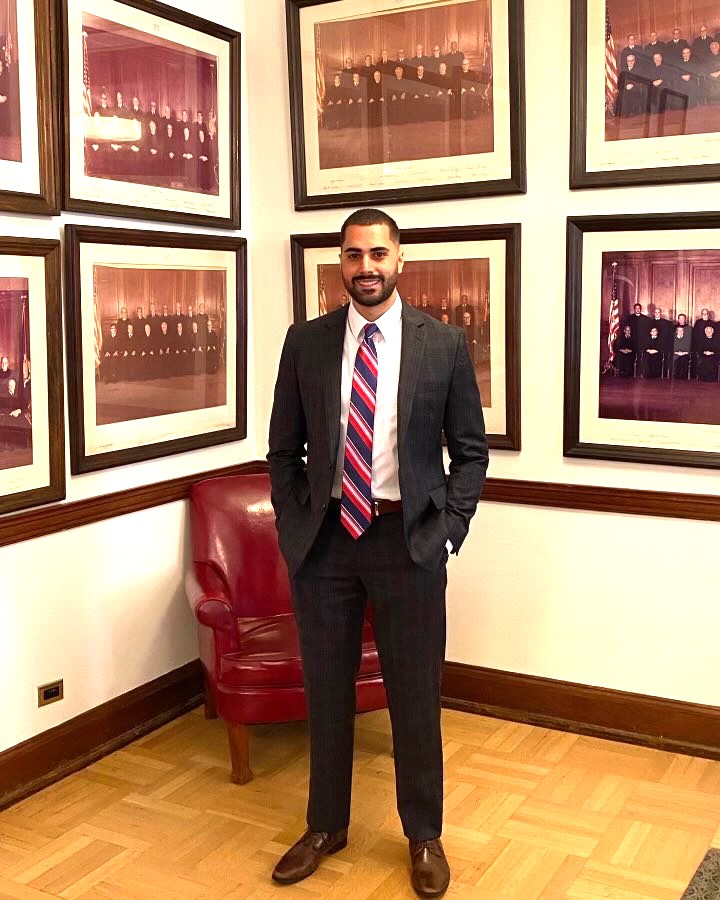
Michael J. Tatti provides dedicated legal representation with a client-first approach focused on clarity, strategy, and results. Whether you’re facing a family matter, immigration challenge, or personal legal concern, the team offers compassionate guidance, tailored solutions, and strong advocacy at every step. Discover a firm committed to protecting your rights and helping you move forward with confidence.
